
The Silver Muzzle Generation: Why Senior Pet Grooming Is Transforming the Industry

Walk into almost any grooming salon today and you'll notice something that wasn't nearly as common twenty or thirty years ago.
We're grooming more senior pets than ever before.
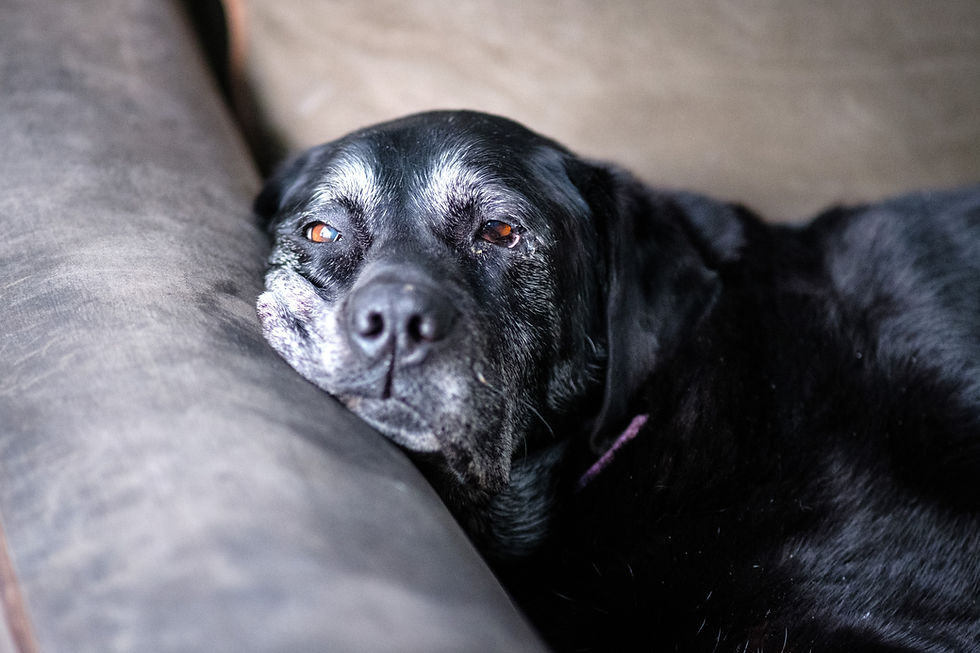
Dogs and cats are living longer lives, and for professional groomers this brings both new challenges and an important responsibility. Senior pets often arrive at the salon with needs that are very different from their younger counterparts.
Arthritis, reduced mobility, hearing or vision impairment, anxiety, cognitive changes, fragile skin, medical conditions and reduced stamina can all influence the grooming experience.
As a result, the way we groom ageing pets needs to evolve too.
A comfort-focused approach means adapting our techniques, expectations, equipment and schedules to meet the needs of the individual pet in front of us.
For one dog, that may mean additional support while standing. For another, it may mean shorter appointments, more frequent breaks, a modified grooming style or even dividing the groom over multiple visits.
This isn't about lowering grooming standards.
It's about recognising that as our clients age, our definition of a successful groom sometimes needs to change.
Why Traditional Grooming Methods Don't Always Work for Senior Pets
Many grooming techniques are taught with a healthy, mobile dog in mind, one that can comfortably stand, tolerate handling and recover quickly from the physical demands of grooming.
Senior pets can change that equation.
Standing for long periods, maintaining balance on a grooming table, lifting a leg for nail trimming or scissoring, tolerating extended brushing, or remaining in one position during drying can become tiring or uncomfortable.
A dog that once comfortably completed a lengthy groom may now need regular breaks, physical support or modifications to the groom itself.
One of the most important mindset shifts in senior grooming is learning to adjust the groom to suit the dog rather than expecting the dog to suit the groom.
That may mean accepting that the feet aren't quite as perfectly finished as you would normally like, reducing scissoring time, choosing a more practical style or stopping before every cosmetic detail is complete.
If the pet remains safe and comfortable, those decisions don't represent a failed groom.
They represent good professional judgement.
Recognising When a Senior Pet Is Struggling
Experienced groomers become very good at noticing subtle changes in the animals they work with.
During a senior pet's appointment, watch for changes such as:
Frequent sitting or lying down
Repeatedly shifting weight
Trembling or shaking
Increased panting
Reluctance to stand
Stiffness when repositioning
Pulling a limb away during handling
Vocalising when particular areas are touched
Increasing anxiety or restlessness
Difficulty maintaining balance
A noticeable reduction in tolerance as the groom progresses
These signs don't tell us why a pet is struggling, and groomers should never attempt to diagnose the cause.
They do tell us something equally important:
It's time to reassess what we're asking of that pet.
Sometimes the appropriate response is a short break. At other times it may mean changing position, simplifying the groom or ending the appointment.
Comfort-Focused Grooming
Comfort-focused grooming isn't one particular technique or haircut.
It's a decision-making approach.
It asks us to consider whether every part of the groom is necessary and whether there is a kinder or more practical way to achieve the result.
That might mean:
Clipping a heavily matted coat rather than undertaking prolonged dematting
Reducing unnecessary scissoring and considering attachment combs where appropriate
Scheduling more frequent appointments to prevent coat deterioration
Allowing the dog to sit or lie down where safe and practical
Incorporating additional rest breaks
Splitting a long groom into shorter appointments
Modifying the finished style as the pet's needs change
For a young dog, we may judge our work heavily on precision, symmetry and finish.
For a fourteen-year-old dog with limited mobility and stamina, our measures of success may look very different:
Clean. Comfortable. Matt-free. Safe. And able to leave the salon without having been pushed beyond what they could reasonably tolerate.
Sometimes the kindest groom isn't the prettiest groom.
Grooming Dogs with Arthritis and Mobility Challenges
Mobility changes can affect almost every part of a grooming appointment.
A dog that previously stood comfortably may begin sitting or leaning. Lifting a leg can become more difficult. Turning repeatedly on the table or maintaining balance while another limb is being handled may become exhausting.
Rather than asking, "How do I make this dog stand?", a more useful question is:
"What does this dog need from me to make this groom easier?"
Depending on the individual dog, adjustments may include:
Regular sitting or lying breaks
Shorter periods of standing
Supporting the dog's body where appropriate
Keeping joints in more natural positions
Returning feet to the table regularly during nail or foot work, or working around the foot while on the table
Allowing the dog time to regain balance before repositioning
Changing the order of the groom to conserve energy
Simplifying the haircut
Scheduling shorter or more frequent appointments
The aim isn't to test what the dog can tolerate.
It's to reduce unnecessary physical demand wherever possible.

Rethinking the Haircut
A practical haircut can be one of the simplest ways to reduce the physical demands of grooming for an ageing dog.
For some senior dogs, an attachment comb can be a great option, particularly where the coat is becoming thinner but can still be comfortably maintained with regular appointments. The goal isn't simply to clip a senior dog shorter, it's to choose a practical style and technique that reduces grooming time and physical demand while still being appropriate for that individual coat. Simplified styles can reduce the amount of standing required. More frequent appointments can help prevent matting and allow each groom to be completed more efficiently.
Owners may initially need help understanding why the beautiful style their dog has worn for ten years may no longer be the most appropriate choice.
This is where good communication becomes an important part of senior grooming.
Feet deserve particular attention in senior dogs. Keeping nails appropriately maintained and excess hair between the pads under control can help provide better traction for dogs already struggling with stiffness, weakness or reduced mobility.
Fragile Skin and the Ageing Coat
Ageing doesn't only affect joints and stamina. Skin and coat can change too.
Groomers may notice changes such as:
Thinner or more delicate skin
Dryness
Coat thinning
Increased shedding
Changes in coat texture
Slower or uneven coat growth
Skin tags and other growths
Changes in pigmentation
Areas that appear increasingly sensitive
These changes require us to work thoughtfully.
Clipper work around loose skin, folds, thin-skinned areas and existing lumps or growths requires particular care.Brushing and dematting decisions also need to change.
Again, this is where the cosmetic goal sometimes has to give way to the welfare goal. Significant or unexpected changes to a pet's skin or coat should be communicated to the owner, with veterinary advice recommended where appropriate.
Skin and Coat Nutrition Matters Too
The products we choose can become increasingly important as a pet ages. Shampoo should not simply be viewed as something that removes dirt, and conditioner as something that makes the coat feel soft. Professional skin and coat care should consider cleansing, hydration, conditioning and supporting the skin barrier.
Senior skin may become drier, thinner or more delicate, while the coat can lose condition, change texture or become more difficult to maintain. This makes thoughtful product selection particularly important. Harsh or inappropriate cleansing can work against what we are trying to achieve, while products selected for the individual pet's skin and coat needs can help us maintain the skin and coat in the best possible condition from a grooming perspective.
This is an area where professional groomers benefit enormously from understanding cosmetic science. Ingredients, product formulation, correct dilution, contact time and the use of an appropriate conditioner all matter. Rather than automatically reaching for the same shampoo for every dog, we should be asking:
What does this pet's skin and coat need today?
At Groomer Nation, our approach to skin and coat education has been strongly influenced by the science-based principles taught through Dr Cliff Faver and the Skin & Coat education available through Groomer Nation. Iv San Bernard Australia describes its approach as skin-first, with professional products formulated to support skin barrier health as well as coat condition.
For senior pets in particular, considering skin health as part of the grooming process is another way we can move beyond simply producing a good haircut and towards providing thoughtful, individualised professional grooming care.
Grooming Dogs with Vision, Hearing and Cognitive Changes
Not every challenge associated with ageing is physical.
Some senior pets experience changes in hearing, vision, behaviour or awareness that can alter how they respond to the grooming environment.
A dog that previously walked confidently into the salon may suddenly hesitate.
Another may startle when touched because they didn't hear the groomer approach.
A dog experiencing cognitive changes may appear confused or become anxious during parts of a familiar grooming routine.
Small changes in our approach can make a considerable difference.
These may include:
Approaching the pet calmly and predictably
Allowing additional time to settle
Avoiding sudden handling where possible
Reducing unnecessary noise and stimulation
Maintaining a familiar routine
Using gentle touch to communicate your presence
Allowing additional breaks
Watching carefully for signs that the pet's tolerance is changing
Senior grooming requires observation. Ageing pets may be living with arthritis and chronic pain, declining hearing or vision, reduced balance and strength, or cognitive changes such as canine cognitive dysfunction (sometimes referred to as dog dementia).
A dog experiencing cognitive decline may appear confused in a familiar salon, stare into space, become restless or unusually vocal, seem unable to settle, or react differently to handling they have previously accepted. Changes like these shouldn't be dismissed simply as a dog "getting old."
As groomers, we don't diagnose the cause, but we can recognise when something has changed, adapt the groom accordingly and communicate those observations to the owner.
What worked at the last appointment may not necessarily be appropriate at the next one.
Sound Sensitivity and High-Velocity Dryers
Some senior dogs can develop an increased sensitivity or unusual response to the sound and sensation of high-velocity dryers, even when they have tolerated them well in the past. Groomers sometimes refer to more extreme episodes as “sounding off” or “dryer seizures.”
Professional high-velocity dryers can produce significant noise levels, and veterinary research has documented stimulus-specific reflex seizures in dogs, including cases where grooming environments were reported as a trigger.
If a senior dog suddenly becomes extremely distressed, begins repetitive barking or vocalising, trembles, appears disoriented or displays other unusual behaviour during drying, stop and reassess rather than pushing through to complete the groom.
Sometimes the simplest solution is the best one. Dryer intensity can be reduced, quieter drying methods considered, and appropriate ear protection like hoodies, are recommended. Alternatively, the owner may be able to bathe and dry the dog at home before bringing them to the salon for a clip-only appointment. For the right dog and owner, this can considerably reduce both salon time and exposure to a part of the grooming process the dog is finding increasingly difficult.
As our senior clients change, the way we groom them may need to change too.
Humanity before Vanity

Building a Senior-Friendly Salon
Creating a salon that works well for senior pets doesn't necessarily require expensive equipment or major changes.
Sometimes it's the simple things that make the biggest difference.
Think about your salon through the eyes of an ageing dog. Slippery floors, high tables, difficult bath access, excessive noise or nowhere comfortable to rest may barely affect a younger dog, but can become challenging for a pet with reduced mobility, balance, vision or confidence.
A few practical considerations include:
Secure footing: Non-slip surfaces on grooming tables, in bathing areas and anywhere an older dog needs to walk or stand can help them feel more secure.
Easier access: Hydraulic or electric tables that lower close to floor level for larger breeds, ramps and accessible bathing options can reduce unnecessary climbing and lifting.
An extra pair of hands: Sometimes the best support isn't a piece of equipment. Having another trained staff member calmly assist and gently support a senior dog can make a significant difference. If that's not possible, adapt the groom, allow the dog to sit or lie down where safe, change your technique, simplify the trim or complete only what the dog can comfortably manage.
Less stimulation: A quieter area, reduced dryer intensity or an appointment during a calmer part of the day may benefit dogs becoming more sensitive to noise or their surroundings.
Warmth and rest: If a senior dog needs a break, somewhere warm, padded, secure and non-slip is best.
The Senior Pet Consultation
One of the easiest improvements salons can introduce is a more detailed conversation with owners of ageing pets.
Before beginning the groom, consider asking whether anything has changed since the previous appointment.
Useful information may include:
Changes in mobility
Known arthritis or joint problems
Recent veterinary treatment
New health concerns
Vision or hearing changes
Medication changes
Areas the pet appears reluctant to have touched
Behavioural or cognitive changes
Changes in grooming tolerance at home
New lumps, skin changes or sensitivities the owner is aware of
This information allows the groomer to plan rather than discover problems halfway through the appointment.
It also helps owners understand that the grooming process may need to evolve as their pet ages.
The Groomer's Unique Role in Observing Change
Professional groomers occupy an unusual position in an animal's life.
Many of us see the same pets every four, six or eight weeks, and, if we're fortunate, we may have the privilege of caring for them for more than a decade.
During routine appointments we may observe:
A new lump or growth
Changes to an existing lump
Weight or muscle loss
Changes in body condition
Hair loss or coat thinning
Skin irritation or pigmentation changes
Increased stiffness
Balance changes
Reduced tolerance for handling
Changes in behaviour or anxiety
After more than three decades of grooming, I've had many occasions where something noticed during a routine grooming appointment prompted an owner to seek veterinary advice, sometimes leading to the early discovery of a serious health problem.
Those experiences have reinforced something I strongly believe:
Our role as groomers goes far beyond the haircut.
Every time we place our hands on a regular client, we have an opportunity to notice change.
Training Your Team for Senior Pet Success
In a team salon, senior-friendly grooming isn't solely the responsibility of the most experienced groomer.
Everyone involved in the pet's visit should understand that an ageing animal may require a different approach.
Team education might include:
Recognising signs of fatigue and stress
Safe handling and lifting
Understanding mobility limitations
Knowing when to alert the groomer to a change
Emergency procedures
Senior pet consultation processes
Recording observations consistently
Communicating grooming modifications professionally with owners
At Groomer Nation, we also strongly believe pet first aid education should form part of a professional groomer's ongoing development.
The goal isn't to turn groomers into veterinary professionals.
It's to give grooming teams the knowledge and confidence to recognise concerns, respond appropriately within their scope and provide a high standard of care.

A Different Definition of a Successful Groom
Senior pets have taught me many things throughout my career, but perhaps one of the most important is that technical perfection isn't always the measure of good grooming.
There comes a point where experience should give us the confidence to say:
That's enough for today.
The face may not be as perfectly finished as we'd like.
The feet may not be immaculate.
We may choose a simpler style than we once would have.
But the dog leaves clean, comfortable and safe.
That isn't lowering our professional standards.
Sometimes it represents the very highest standard of professional judgement.
A useful question to ask throughout a senior pet groom is:
"Is what I'm doing right now benefiting this pet, or am I doing it purely to achieve a more perfect finish?"
The answer can change the way we groom.
Final Thoughts
Grooming senior pets isn't always easy.
It can take more time, more patience and sometimes a great deal more understanding. There will be days when the dog who continually sits down, struggles to stand, or no longer tolerates things they once did can feel frustrating.
In those moments, it's worth remembering that they were young once too.
They once stood more easily, moved without pain or stiffness and coped with a grooming appointment very differently. They haven't chosen to become difficult. Their body, their senses or their understanding of what's happening around them may simply have changed.
That's when patience and kindness matter most.
As professional groomers, our skill isn't only demonstrated by the quality of the haircut we produce. Sometimes it's demonstrated by knowing when to slow down, when to change our approach, when to accept that something doesn't need to be perfect, and when to say, that's enough for today.
If we're fortunate, some of these dogs will have been coming through our salon doors for many years. Growing old is simply the next stage of the journey we've been blessed to share with them.
They've given us their trust for all those years. The least we can give them in return is our patience, kindness and dignity as they grow old.
— Vanessa Parsons Groomer Nation
Important Disclaimer
This article and resources are provided for educational purposes only.
Professional groomers are not veterinarians and should not diagnose medical conditions or provide veterinary advice. Health concerns observed during grooming should be communicated to the pet owner and referred to a veterinarian where appropriate.
Continue Your Learning
If you'd like to continue building your professional knowledge, explore Groomer Nation's education and resources, including:
Visit Groomer Nation to explore our education for professional groomers.
References for “Sound Sensitivity and High-Velocity Dryers”
High-velocity dryer noise
Scheifele, P.M., Johnson, M.T., Byrne, D.C., Clark, J.G., Vandlik, A., Kretschmer, L.W. & Sonstrom, K.E. (2012). Noise impacts from professional dog grooming forced-air dryers. Noise & Health, 14(60), 224–226. DOI: 10.4103/1463-1741.102958. PubMed Central (PMC)
This is particularly useful for Groomer Nation because they actually tested professional grooming dryers, not just general environmental noise. Four dryers were measured at approximately one metre, with average levels ranging from 94.8 to 108 dBA. PubMed Central (PMC)


Comments